
Blog
The History of Coca Leaves: From Ancient Andean Traditions to Modern Times

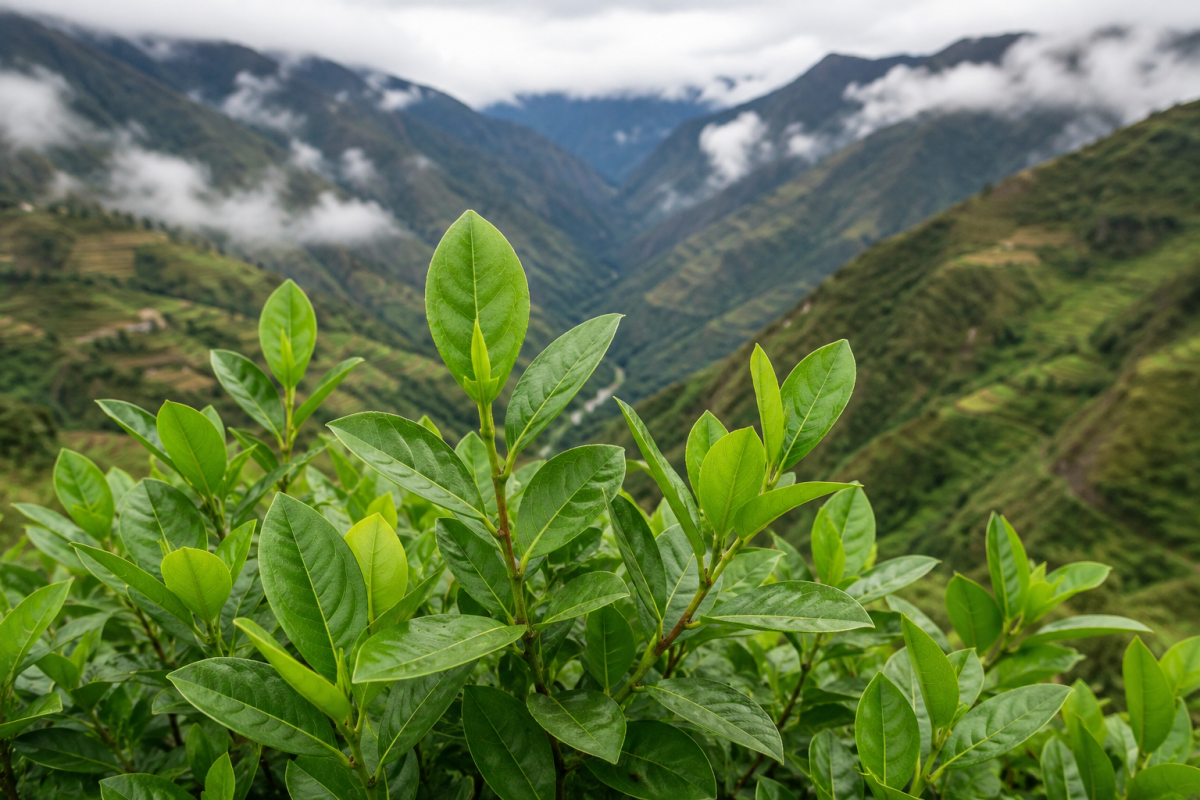
Introduction
The history of coca leaves stretches back thousands of years, making them one of the oldest cultivated plants in South America. For generations, Indigenous communities in the Andean region have valued coca leaves for their cultural, social, and ceremonial significance. Understanding the history of coca leaves helps explain why they remain an important part of Andean heritage today.
Table of Contents
- Introduction
- The Origins of Coca Leaves
- Ancient Civilizations and Coca
- Coca Leaves in Andean Culture
- European Contact and Historical Changes
- Modern Cultivation
- Cultural Significance Today
- Frequently Asked Questions
- Conclusion
The Origins of Coca Leaves
The coca plant is native to the Andean region of South America. Archaeological findings indicate that coca leaves have been cultivated and used for several thousand years. Ancient communities developed cultivation methods suited to the mountain climate, allowing the plant to thrive.
Ancient Civilizations and Coca
Long before European explorers arrived, coca leaves were part of everyday life in several Andean civilizations. They were associated with traditions, ceremonies, and social customs, reflecting their importance in local culture.
Coca Leaves in Andean Culture
For many Indigenous communities, coca leaves continue to symbolize respect, hospitality, and cultural identity. They are closely connected with traditional practices that have been passed from one generation to the next.
European Contact and Historical Changes
Following European arrival in South America, coca cultivation and its role in society changed significantly. Over time, attitudes toward coca leaves evolved as different governments and cultures adopted varying legal and regulatory approaches.
Modern Cultivation
Today, coca plants are still cultivated in parts of the Andes where growing conditions are favorable. Farmers continue to use knowledge and techniques developed over many generations.
Cultural Significance Today
Coca leaves remain part of the cultural heritage of several Andean communities. Their historical importance continues to be recognized in discussions about culture, history, and agriculture.
Frequently Asked Questions
How old is the history of coca leaves?
Archaeological evidence suggests that coca leaves have been used for thousands of years.
Where did coca leaves originate?
The coca plant originated in the Andean region of South America.
Why are coca leaves culturally important?
They have long been associated with Indigenous traditions, ceremonies, and cultural identity.
Are coca leaves still cultivated today?
Yes. Cultivation continues in certain Andean regions where it is permitted under local laws.
Conclusion
The history of coca leaves reflects thousands of years of tradition, cultural practices, and agricultural knowledge in the Andes. Learning about their historical role provides a deeper understanding of their place in South American heritage and why they continue to be culturally significant today.
Traditional Cultivation Methods
For centuries, coca plants have been cultivated using agricultural knowledge passed down through generations. Farmers in the Andean region carefully select growing locations based on altitude, rainfall, and soil quality. These conditions help support healthy plant growth throughout the year.
Traditional cultivation often involves preparing the land by hand, planting young shrubs with adequate spacing, and maintaining the fields through regular care. Harvesting is usually carried out by hand to help preserve the quality of the leaves. Depending on local climate conditions, growers may harvest several times each year.
Although cultivation techniques have evolved over time, many farming communities continue to rely on traditional practices that have been used for generations. These methods reflect a close connection between local communities and the natural environment.
Environmental Conditions for Coca Plants
The coca plant grows best in tropical and subtropical regions with warm temperatures and regular rainfall. Fertile, well-drained soil and a suitable climate allow the shrubs to develop healthy leaves throughout the growing season.
The Andean region provides ideal environmental conditions because of its unique geography. Variations in altitude, humidity, and seasonal weather patterns contribute to successful cultivation in many areas.
Farmers often monitor environmental conditions carefully to maintain healthy crops while protecting the surrounding ecosystem. Sustainable agricultural practices are increasingly important for preserving the land for future generations.
Why Understanding Coca Leaf History Matters
Studying the history of coca leaves helps provide a broader understanding of South America’s cultural and agricultural heritage. Over thousands of years, the plant has been closely connected with Indigenous traditions, local farming knowledge, and community customs.
Learning about this history also helps distinguish between the plant’s longstanding cultural role and the diverse legal and regulatory approaches that exist around the world today. Because laws differ by country, understanding the historical and cultural context can contribute to more informed discussions about coca leaves.
Educational research into coca leaves continues to explore their historical significance, cultivation practices, and place within Andean societies, making the subject an important part of South American history.
