

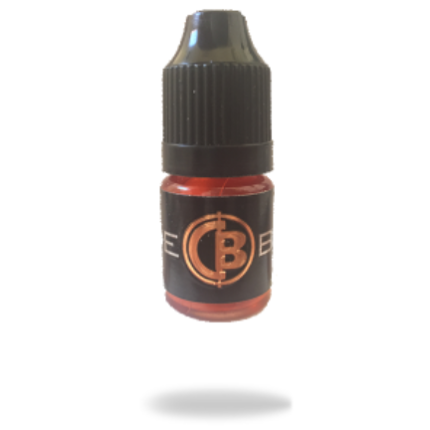

Black Mamba Incense 5g
€26.00
will get you in the right mood. Place your order now while we still have this best-selling incense.
Black Mamba: 10 Important Facts About Synthetic Cannabinoids and Public Health Risks
Synthetic cannabinoids have become a subject of significant attention among researchers, healthcare professionals, and public health organizations worldwide. One name that frequently appears in discussions involving these substances is Black Mamba. Understanding the risks, regulatory concerns, and scientific findings associated with these products is important for consumers and the general public.
Over the past decade, synthetic cannabinoid products have been marketed under numerous brand names. These products are often sold with limited information regarding their ingredients, manufacturing processes, or potential health effects. As a result, public health authorities continue to monitor their presence and impact.
What Is Black Mamba?
Black Mamba is a name that has been associated with certain products containing synthetic cannabinoids. Synthetic cannabinoids are laboratory-created chemicals designed to interact with cannabinoid receptors in the body. Although they are sometimes compared to naturally occurring cannabinoids, they often differ significantly in chemical structure, potency, and safety profile.
Researchers have found that products sold under the same brand name may vary substantially in composition between batches and manufacturers.
1. Synthetic Cannabinoids Are Man-Made Chemicals
Unlike naturally occurring cannabinoids, synthetic cannabinoids are created through chemical synthesis. Their effects can be difficult to predict because different compounds may produce different biological responses.
2. Product Composition Can Vary
One of the primary concerns identified by researchers is product inconsistency. Two products sold under the same name may contain entirely different chemical compounds.
This variability makes it difficult to determine exactly what a product contains without laboratory testing.
3. Health Risks Have Been Reported
Healthcare providers and public health agencies have documented a range of adverse reactions associated with synthetic cannabinoids.
Reported concerns may include:
- Rapid heart rate
- Anxiety and agitation
- Confusion
- Nausea
- Severe medical complications in some cases
The severity of effects may vary significantly depending on the compound involved.
4. Potency May Be Unpredictable
Some synthetic cannabinoids can be considerably more potent than naturally occurring cannabinoids. Because potency may vary, the effects can be difficult to predict.
This unpredictability remains a major concern for health professionals.
5. Independent Testing Is Important
Laboratory analysis is often the only reliable way to identify specific compounds present in a product.
Testing may help determine:
- Chemical composition
- Purity levels
- Product consistency
- Presence of contaminants
- Batch variations
6. Regulations Continue to Evolve
Governments and regulatory agencies around the world have implemented various measures to control synthetic cannabinoids.
Because manufacturers frequently modify chemical structures, regulators often face ongoing challenges in monitoring new compounds.
7. Public Health Monitoring Remains Active
Health authorities continue to track incidents involving synthetic cannabinoids and monitor emerging trends.
This monitoring helps support:
- Consumer awareness
- Public safety initiatives
- Scientific research
- Evidence-based policymaking
8. Research Is Ongoing
Scientists continue to study synthetic cannabinoids to better understand:
- Chemical properties
- Biological effects
- Potential risks
- Toxicology
- Public health implications
New findings regularly contribute to the scientific understanding of these substances.
9. Consumer Awareness Supports Better Decisions
Understanding product labeling, ingredient transparency, and quality assurance practices can help individuals evaluate information more critically.
Consumers should approach unverified claims with caution and seek information from credible sources.
10. Reliable Information Sources Matter
When researching products associated with synthetic cannabinoids, it is beneficial to consult:
- Government health agencies
- Academic institutions
- Public health organizations
- Peer-reviewed journals
- Accredited laboratories
These sources generally provide more reliable information than unverified online content.
Why Public Education Is Important
Public education plays an essential role in helping individuals understand the risks associated with synthetic cannabinoids. Increased awareness can support informed decision-making and reduce reliance on misinformation.
Educational initiatives also help healthcare professionals, researchers, and policymakers respond more effectively to emerging trends and public health challenges.
Conclusion
Black Mamba is a name commonly associated with products containing synthetic cannabinoids. Due to variability in composition, potency, and potential health risks, these products remain an important focus of public health monitoring and scientific research.


MAECENAS IACULIS
Vestibulum curae torquent diam diam commodo parturient penatibus nunc dui adipiscing convallis bulum parturient suspendisse parturient a.Parturient in parturient scelerisque nibh lectus quam a natoque adipiscing a vestibulum hendrerit et pharetra fames nunc natoque dui.
ADIPISCING CONVALLIS BULUM
- Vestibulum penatibus nunc dui adipiscing convallis bulum parturient suspendisse.
- Abitur parturient praesent lectus quam a natoque adipiscing a vestibulum hendre.
- Diam parturient dictumst parturient scelerisque nibh lectus.
Scelerisque adipiscing bibendum sem vestibulum et in a a a purus lectus faucibus lobortis tincidunt purus lectus nisl class eros.Condimentum a et ullamcorper dictumst mus et tristique elementum nam inceptos hac parturient scelerisque vestibulum amet elit ut volutpat.






Reviews
There are no reviews yet.